
Ohio Farmers Union Statement on the JBS Closures
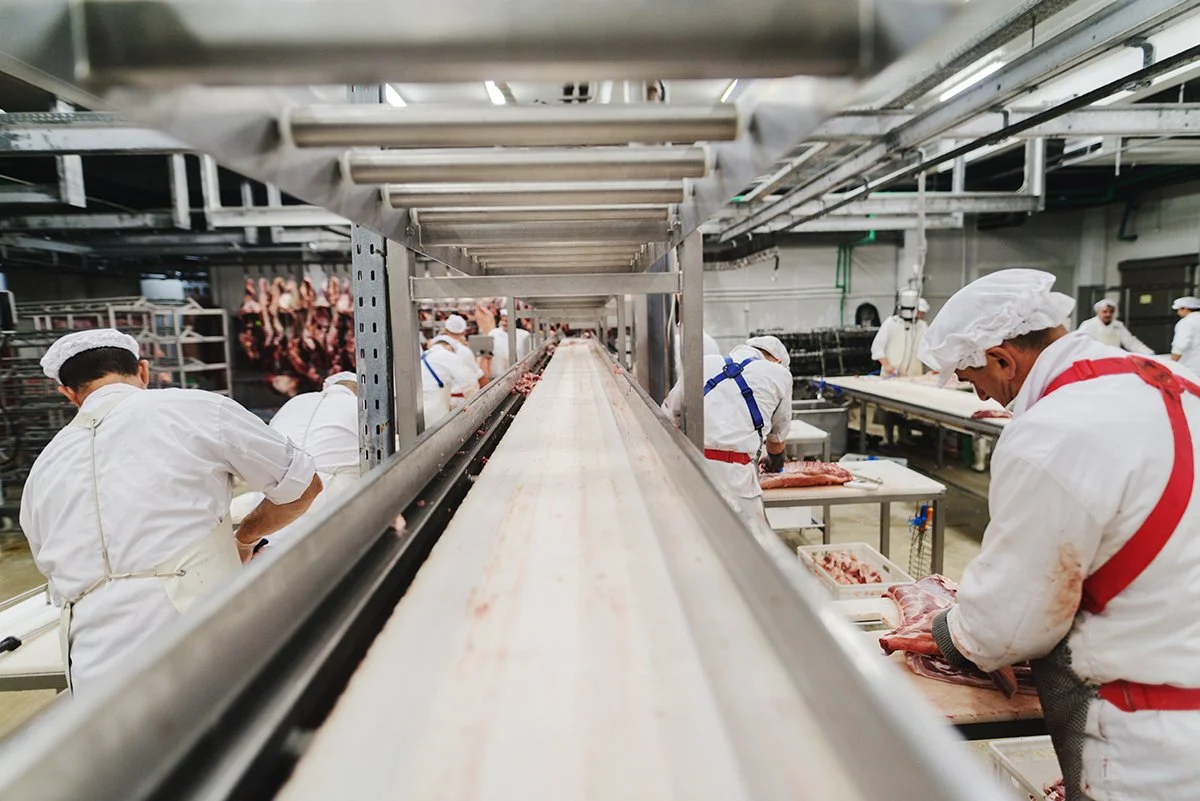
Ohio Farmers Union is extremely alarmed about the imminent closure of the JBS meat packing plant in Souderton, PA. Many beef producers of all sizes depend on the sale barns of eastern Ohio and western PA, where the bidding from JBS buyers helps maintain the price of live beef. Without their competition, prices are sure to decline. OFU and National Farmers Union have worked against corporate consolidation in agriculture for decades, knowing that this kind of economic damage to farmers and rural communities is inevitable.
The Souderton plant has been an important part of the local economy for almost 150 years. The United Food and Commercial Workers Union has 1485 union workers there, many of whom have worked in the plant for generations. The UFCW is working to find a purchaser for the plant, and we hope it works out.

Ohio Farmers Union agrees with the below statement from our allies at Farm Action.
Farm Action Statement on the JBS plant closures
What happened: JBS announced it will permanently close its beef processing plant in Souderton, Pennsylvania, and a value-added facility in Memphis, Tennessee, with closures expected by mid-August. Together, the facilities employ roughly 1,900 workers, including about 1,700 at the Pennsylvania plant. The company said affected employees will receive transition support and may apply for jobs at other JBS locations, but the nearest facilities are more than 100 miles away. JBS is simultaneously investing in new operations in Texas, Iowa, and Georgia as part of what it describes as a strategy centered on growth, modernization, and long-term competitiveness. Why it matters: JBS’s decision illustrates a defining feature of today’s highly concentrated meatpacking industry: large corporations can close plants that anchor regional economies while continuing to expand elsewhere. For the nearly 1,900 workers affected, and for farmers and ranchers who depended on those facilities, the losses are immediate. Yet the company’s overall processing footprint remains intact. As meatpacking capacity becomes concentrated in fewer, larger facilities controlled by a handful of firms, communities face greater economic disruption when plants close and producers often have fewer nearby marketing options. The result is a food system that may be more profitable for dominant processors, but less resilient for the workers, farmers, and rural economies that depend on it.